
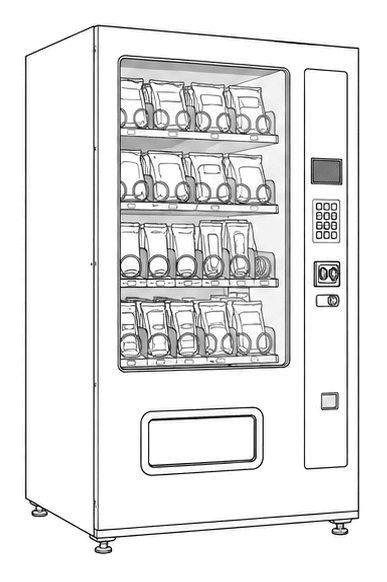
Recurring Tamper Alert Diagnosis
Other Other Rmi
Recurring Tamper Alert Diagnosis
This guide assists in investigating tamper alerts that keep returning or cannot be cleared, helping determine if the cause is a sensor issue, a configuration problem, or physical interference.
- Evidence of actual unauthorized access or break-in: Do not clear tamper state. Secure machine. Document evidence. Report per location security policy.
- If evidence of actual unauthorized access or break-in is found, do not clear the tamper state; secure the machine and report the findings to a qualified technician.
- If the sensor inspection reveals damage or if the alert persists after cleaning, a qualified technician must assess the tamper detection system.
Checklist
Guided Diagnostic Steps
Work from low-risk checks toward technician-level inspection only when evidence supports it.
You can read or print the route now. The first checkbox click opens the service contact gate.
- 1
Visually inspect the exterior for any signs of forced entry or damage...
operator-intermediatelowVisually inspect the exterior for any signs of forced entry or damage near access points.
Stop conditions- If evidence of actual unauthorized access or break-in is found, do not clear the tamper state; secure the machine and report the findings to a qualified technician.
- If the sensor inspection reveals damage or if the alert persists after cleaning, a qualified technician must assess the tamper detection system.
Expected: Initial condition is documented before deeper diagnosis.
Evidence to note: note
- 2
Ensure the machine is powered off before inspecting the tamper sensor...
operator-intermediatelowEnsure the machine is powered off before inspecting the tamper sensor area.
Stop conditions- If evidence of actual unauthorized access or break-in is found, do not clear the tamper state; secure the machine and report the findings to a qualified technician.
- If the sensor inspection reveals damage or if the alert persists after cleaning, a qualified technician must assess the tamper detection system.
Expected: Initial condition is documented before deeper diagnosis.
Evidence to note: note
- 3
Carefully examine the machine exterior for signs of actual intrusion:...
operator-intermediatelowCarefully examine the machine exterior for signs of actual intrusion: pry marks, distorted panels, damaged lock, or scratched paint around openings.
Stop conditions- If evidence of actual unauthorized access or break-in is found, do not clear the tamper state; secure the machine and report the findings to a qualified technician.
- If the sensor inspection reveals damage or if the alert persists after cleaning, a qualified technician must assess the tamper detection system.
Expected: Result is documented before continuing the route.
Evidence to note: note
- 4
With power off and door open, locate the tamper sensor and check that...
operator-intermediatelowWith power off and door open, locate the tamper sensor and check that it is securely mounted, clean, and making proper contact. Look for corrosion, debris, or loose fasteners.
Stop conditions- If evidence of actual unauthorized access or break-in is found, do not clear the tamper state; secure the machine and report the findings to a qualified technician.
- If the sensor inspection reveals damage or if the alert persists after cleaning, a qualified technician must assess the tamper detection system.
Expected: Result is documented before continuing the route.
Evidence to note: note
- 5
If the sensor was loose or dirty, carefully clean and re-secure it
operator-intermediatelowIf the sensor was loose or dirty, carefully clean and re-secure it
Stop conditions- If evidence of actual unauthorized access or break-in is found, do not clear the tamper state; secure the machine and report the findings to a qualified technician.
- If the sensor inspection reveals damage or if the alert persists after cleaning, a qualified technician must assess the tamper detection system.
Expected: Result is documented before continuing the route.
Evidence to note: note
- 6
Do not force or bend any components
operator-intermediatelowDo not force or bend any components
Stop conditions- If evidence of actual unauthorized access or break-in is found, do not clear the tamper state; secure the machine and report the findings to a qualified technician.
- If the sensor inspection reveals damage or if the alert persists after cleaning, a qualified technician must assess the tamper detection system.
Expected: Result is documented before continuing the route.
Evidence to note: note
- 7
Restore power and test
operator-intermediatelowRestore power and test
Stop conditions- If evidence of actual unauthorized access or break-in is found, do not clear the tamper state; secure the machine and report the findings to a qualified technician.
- If the sensor inspection reveals damage or if the alert persists after cleaning, a qualified technician must assess the tamper detection system.
Expected: Result is documented before continuing the route.
Evidence to note: note
- 8
Clear the tamper alert following your model's procedure. Then open an...
operator-intermediatelowClear the tamper alert following your model's procedure. Then open and close the door normally five times, checking whether the alert reappears.
Stop conditions- If evidence of actual unauthorized access or break-in is found, do not clear the tamper state; secure the machine and report the findings to a qualified technician.
- If the sensor inspection reveals damage or if the alert persists after cleaning, a qualified technician must assess the tamper detection system.
Expected: Result is documented before continuing the route.
Evidence to note: note
Tools for this route
Parts status
Exact public parts list not verified yet. Use this route to identify the system before ordering.
Candidate areas for part verification
Other Possible Issues
Switch routes if this symptom is not the closest match.