
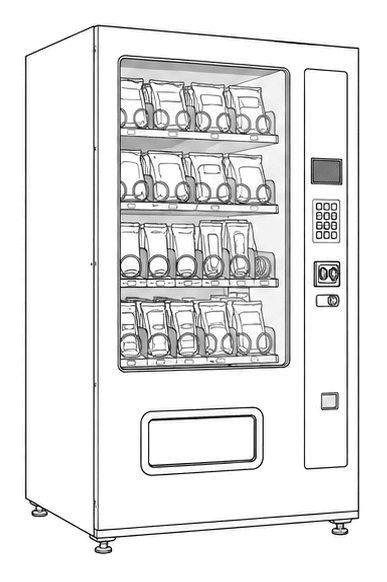
Plumbing Fitting Leak Diagnosis
Other HBA 10 & 11
Plumbing Fitting Leak Diagnosis
Systematically identify and resolve water leaks at threaded fittings, hose barb connections, and bulkhead penetrations.
- Water contacts electrical components: Stop immediately. Disconnect power. Do not restore power until area is fully dry and leak resolved.
- Brass fitting cracks or strips during tightening: Stop. Do not force. Replace fitting before continuing.
- Leak persists after two correction attempts: Escalate to manufacturer authorized service or qualified plumbing technician.
Checklist
Guided Diagnostic Steps
Work from low-risk checks toward technician-level inspection only when evidence supports it.
You can read or print the route now. The first checkbox click opens the service contact gate.
- 1
Shut off water supply
operator-intermediatelowLocate the water shut-off valve feeding the machine and close it fully. This stops water flow and allows safe inspection of the leaking connection.
Stop conditions- Cannot locate shut-off valve
- Valve does not fully close
Expected: Water flow stops. No new leakage observed.
Evidence to note: note
- 2
Supply valve does not fully close
operator-intermediatecautionIf the shut-off valve does not stop water flow, the valve itself may be faulty. Do not proceed with fitting work under pressure.
Expected: Acknowledgment that fitting work cannot proceed safely.
Evidence to note: note
- 3
Dry and inspect leaking area
operator-intermediatelowThoroughly dry the area around the suspected leak with a clean cloth. Then watch carefully to identify the exact origin of water. Check each fitting, the bulkhead plate area, filter head connections, and tubing runs.
FlashlightDry cloth or towelStop conditions- Electrical components wet
Expected: Exact leak source identified.
Evidence to note: photo
- 4
Briefly restore water to locate leak
operator-intermediatecautionIf the leak source was not visible when dry, briefly open the shut-off valve for a few seconds to allow water to reach the leak point. Immediately close the valve and observe where water appears.
FlashlightDry cloth or towelStop conditions- Leak worsens significantly
- Electrical contact risk
Expected: Leak source identified.
Evidence to note: photo
- 5
Classify leak source
operator-intermediatelowDetermine whether the leak originates from a threaded fitting, a hose barb-to-tubing connection, the bulkhead plate seal, or the filter head itself. This determines the correction approach.
FlashlightExpected: Leak classified by type and location.
Evidence to note: note
- 6
Check thread seal condition
operator-intermediatelowIf the leak is at a threaded fitting, check whether thread sealing tape was properly applied during installation. Proper sealing requires adequate tape wraps applied in the correct direction to prevent unraveling during tightening.
FlashlightStop conditions- Fitting appears corroded or damaged
Expected: Determination of whether thread seal is present and adequate.
Evidence to note: photo
- 7
Correct thread seal and reassemble
operator-intermediatecautionDisassemble the leaking threaded connection, clean old seal material completely, apply fresh thread sealing tape with sufficient wraps in the correct tightening direction, and reassemble. Tighten firmly but do not over-tighten.
Adjustable wrenchPTFE thread sealing tapeStop conditions- Fitting strips or will not tighten
- Brass fitting cracked during tightening
Expected: Connection reassembled with fresh thread seal.
Evidence to note: photo
- 8
Verify repair by restoring water pressure
operator-intermediatecautionSlowly open the water shut-off valve and observe the repaired connection for several minutes. Check for any weeping, dripping, or spraying.
FlashlightDry cloth or towelStop conditions- Major leak develops
Expected: No leakage at the repaired connection.
Evidence to note: note
- 9
Extended monitoring period
operator-intermediatelowIf the initial observation is inconclusive, monitor the connection for an extended period under normal operating conditions. Return to check for any moisture accumulation.
Dry cloth or towelExpected: Confirmed dry or confirmed slow leak.
Evidence to note: note
- 10
Leak repair complete
operator-intermediatelowThe leak has been resolved. Document the repair location, parts used, and date for future maintenance records.
Expected: Repair documented.
Evidence to note: note
- 11
Hand off to qualified plumbing technician
operator-intermediatelowStop and hand off this repair to a qualified plumbing technician or the manufacturer's authorized service provider. The leak may involve damaged fittings, corroded threads, or conditions beyond basic field repair.
Expected: Repair responsibility transferred.
Evidence to note: note
Tools for this route
Location Help
Where to find this
Use this as orientation before touching the machine. It is location help, not a repair instruction.
Start at the customer delivery bin and product drop path; clear visible product and debris before moving to internal checks.
- Threaded fittings, adaptors, elbows, and hose barbs connecting tubing runs between inlet, filter, and downstream components.
- Hose barb adaptors
- Brass equal elbows
- Thread seal tape
cabinet drinkParts status
Exact public parts list not verified yet. Use this route to identify the system before ordering.
Candidate areas for part verification
Other Possible Issues
Switch routes if this symptom is not the closest match.