
Refrigeration Performance Diagnostic
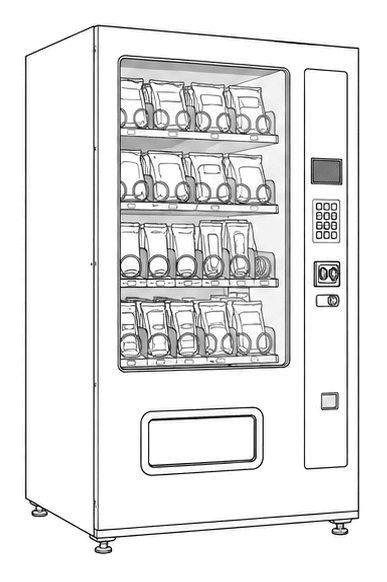
Royal Vendors GIII Vender
Refrigeration Performance Diagnostic
Systematic verification of refrigeration performance from airflow and door seal through condenser condition and compressor operation. Sealed-system investigation is restricted to manufacturer-authorized personnel.
Qualified technician handoff: stop before live electrical testing, sealed-system refrigeration work, compressor service, or protected-compartment access unless a qualified technician is handling the work.
- Refrigerant leak suspected (hissing, oil residue, chemical odor): Ventilate area. Do not attempt repair. Contact licensed refrigeration technician immediately.
- Compressor tries to start but clicks off repeatedly: May indicate compressor or start-device failure. Disconnect and call licensed technician to prevent further damage.
Checklist
Guided Diagnostic Steps
Work from low-risk checks toward technician-level inspection only when evidence supports it.
You can read or print the route now. The first checkbox click opens the service contact gate.
- 1
Verify Door Seal Integrity
operator-intermediateunskilledClose the main door on a sheet of paper at several points around the perimeter. The paper should be gripped firmly and not slide out easily. Test top, bottom, left side, right side, and corners.
Expected: Paper is held firmly at all test points around the door perimeter.
Evidence to note: note
- 2
Check Condenser Cleanliness and Airflow
operator-intermediatehighWith power disconnected, access the condenser area (typically at the bottom rear or behind a lower panel). Visually inspect the condenser fins for dust, lint, or debris buildup. Check that the condenser fan blade is not obstructed.
Qualified technician handoff: stop before live electrical testing, sealed-system refrigeration work, compressor service, or protected-compartment access unless a qualified technician is handling the work.
Stop conditions- Condenser fins are damaged or fan blade is cracked — hand off to technician.
Expected: Condenser fins are clean and allow free airflow. Fan blade spins freely when gently pushed.
Evidence to note: note
- 3
Measure Internal Temperature
operator-intermediateunskilledPlace a thermometer in a beverage can located at the center of the product stack. Close the door and allow the machine to run undisturbed for at least 30 minutes, then read the temperature. Compare to the machine's set point.
Evidence to note: meter-reading
- 4
Observe Compressor and Evaporator Fan Behavior
operator-intermediatehighWith machine running, listen near the compressor area and observe the evaporator fan. Determine if the compressor is running (low hum, vibration), cycling on and off frequently, or not running at all. Note whether the evaporator fan is running.
Qualified technician handoff: stop before live electrical testing, sealed-system refrigeration work, compressor service, or protected-compartment access unless a qualified technician is handling the work.
Stop conditions- If you hear hissing from the refrigeration system, this may indicate a refrigerant leak. Keep area ventilated and contact licensed refrigeration technician.
Expected: Compressor runs with steady hum during cooling cycle. Evaporator fan runs whenever compressor runs.
Evidence to note: note
Tools for this route
Parts status
Exact public parts list not verified yet. Use this route to identify the system before ordering.
Candidate areas for part verification
Other Possible Issues
Switch routes if this symptom is not the closest match.