
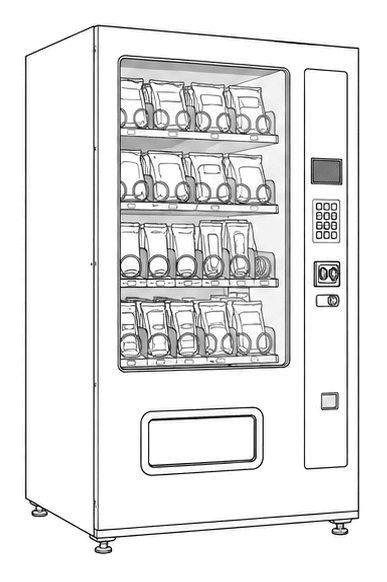
Not Cooling Diagnostic
Systematic check of airflow, condenser, door seal, temperature sensor, compressor operation, and sealed-system integrity.
Qualified technician handoff: stop before live electrical testing, sealed-system refrigeration work, compressor service, or protected-compartment access unless a qualified technician is handling the work.
- Suspected refrigerant leak — oil residue, hissing, frosting patterns on suction line: Stop. Do not attempt sealed-system repair. Evacuate area if large leak. Call EPA-licensed technician.
- Compressor extremely hot or smells burnt: Unplug immediately. Allow to cool before any inspection. Compressor may have internal failure.
Checklist
Guided Diagnostic Steps
Work from low-risk checks toward technician-level inspection only when evidence supports it.
You can read or print the route now. The first checkbox click opens the service contact gate.
- 1
Observe controller for signs of life
operator-intermediatehighWith power confirmed to the controller, look for any LED indicators, display activity, or relay click sounds.
Expected: At least one LED or display segment active.
Evidence to note: note
Tools for this route
Parts status
Exact public parts list not verified yet. Use this route to identify the system before ordering.
Candidate areas for part verification
Other Possible Issues
Switch routes if this symptom is not the closest match.